A DPC Hub member practice:
Charges a direct periodic fee. A monthly, quarterly or annual membership, paid by the patient or their employer, covering a defined set of primary care services.
Provides full-scope primary care. Prevention, chronic disease management, and sick or acute care, all three. Care is provided by clinicians licensed to prescribe medications generally (physicians, NPs and PAs). Serving one population, like children or seniors, is fine; leaving out a kind of care isn't.
Doesn't bill insurance. No billing to insurance, Medicare or Medicaid for any services, and no membership fee charged on top of insurance billing.
Keeps per-visit fees small, if any. The membership should cover visits. Small visit fees are okay; once they're larger than the membership fee itself, it's no longer DPC. Extras outside the membership, like labs, procedures or house calls, are fine as long as they're disclosed.
Publishes its prices. Patients can see what membership costs before they join.
Is physician-led. The practice is owned by a physician (MD or DO), or its NPs and PAs work under a written collaborative or supervisory agreement with a physician who is actively involved in patient care. NPs and PAs in these practices are full members of DPC Hub.
Is independent. The practice is owned and run by the clinicians who work in it, not by a hospital system, insurer or investor-backed company. Working with employers or networks doesn't affect membership; who owns and runs the practice does.
“All three. Not one or two.”
“No double dipping.”
“Pricing clear & public.”
“Ownership, not contracts.”

Authentic, independent
Direct Primary Care
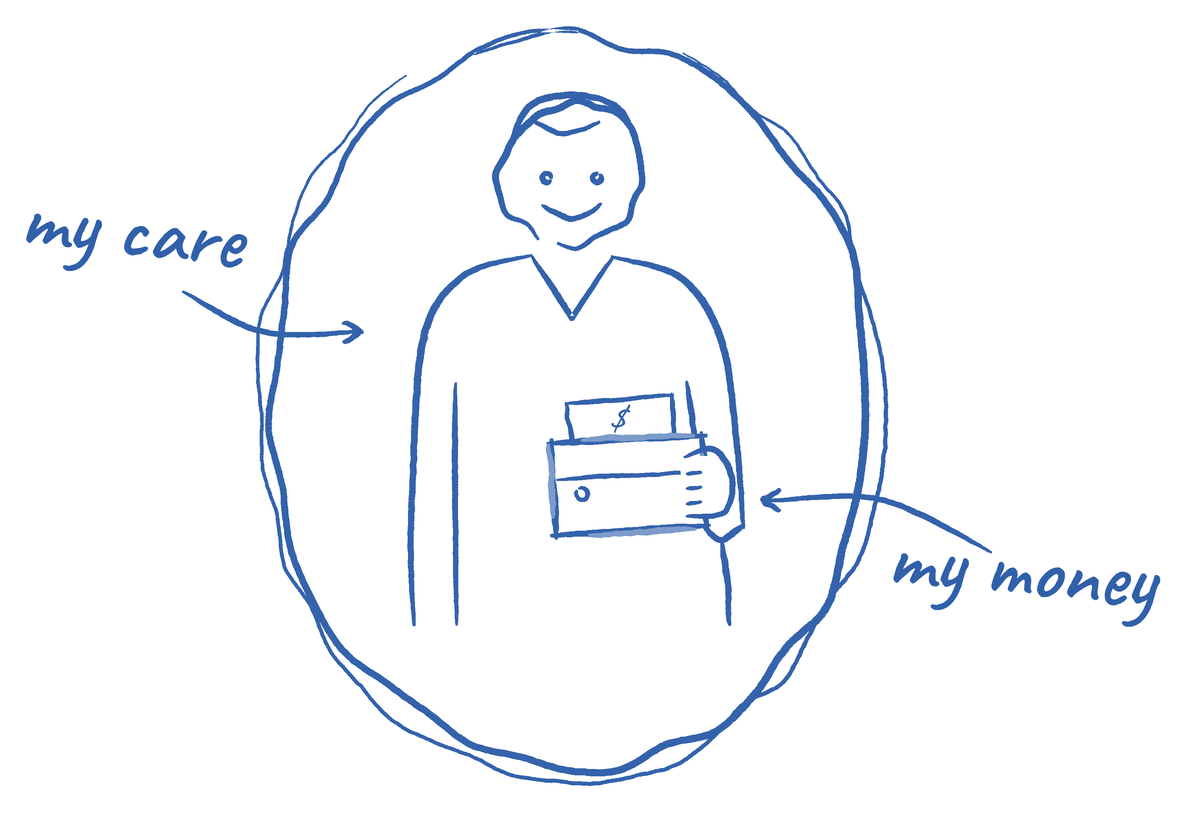
To us, DPC means the practice is providing full-scope, physician-led care, and the patient is in control of their care and their money.
Why defining “direct” matters
Direct primary care rests on one idea: the patient is in charge. The patient chooses their physician, decides what care fits their life, and pays for it directly. Nobody in between decides what a visit is worth or which doctor they're allowed to see.
That's what makes the relationship work. A physician who answers to the patient has every reason to listen, explain and take the time. A patient who chose their physician, and can choose again, has every reason to stay involved in their own care.
Managed versions of “direct” care
Whoever controls the money controls the care. When a third party holds the money, it holds the decisions too: which practices patients can use, what the practice must report, what the terms are next year. And when the deal changes, patients often have to leave a physician they chose, through no choice of their own.
Every layer adds cost, and it's hard to see. Each company between the patient and the physician takes a share, on terms that neither of them usually sees. In primary care, we don't believe another layer of management makes care better. We've seen where that road leads. It's called managed care, and most of us left it to start our practices.
Where employers fit
Many patients get their membership through an employer, and many of our practices work with employers. The most direct way is for an employer to put the money in the employee's hands, in a health account the employee controls, and let them choose the practice and care that suit them best. A local employer working directly with a local practice can work well too. But any group contract puts some of the patient's choices in someone else's hands, and a management company in the middle takes even more of them away.
What we're not saying
Membership in DPC Hub depends on how a practice is owned and run, not on its contracts. Practices that work with employers or networks are welcome here, and each practice decides for itself which agreements make sense. DPC Hub is an honest place to talk those decisions through with colleagues, so every practice makes them with eyes open and with its patients in mind.
Planning a practice, or making the switch?
You're welcome here. If you're planning a DPC practice, or you're in a hybrid practice and committed to moving fully to DPC, join under "Planning a DPC practice." Your practice doesn't need to meet the definition yet; that's what we're here to help with.
Bringing your team
Practice owners can invite their staff from their own profile. Your team still gets a quick approval, but your invitation tells the volunteer who they are.
Where this comes from
Our definition builds on the one written by Dr. Phil Eskew at DPC Frontier, which most state DPC laws follow. We go a little further on full-scope care, insurance billing, physician leadership and independence, because that's who we are.

Not sure if your practice fits?
Message the administrators before you apply. We're happy to talk it through.

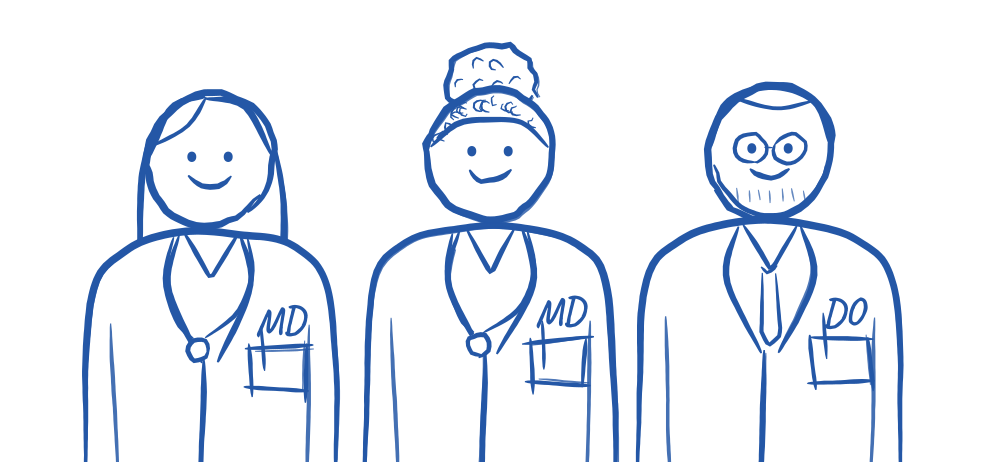
DPC Hub is a physician-led community of independent direct primary care practices. We share one definition of DPC so everyone knows who's here, and so the volunteers who welcome new members can do it fairly and consistently.
DPC Hub is brand new. If anything is confusing or broken, tell us at admin@DPCHub.org. We read every note.